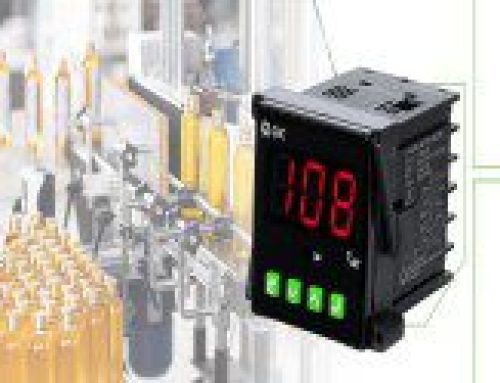

Programmable Logic Controllers (PLCs) are integral to modern industrial operations, providing versatility, precision, and control. They automate diverse industrial processes by monitoring inputs, executing programmed logic, and controlling outputs. Programmable Logic Controllers actively manage motors, conveyors, and robots on production lines, control pumps and valves in water systems, and regulate critical parameters like temperature and pressure in chemical plants.
PLCs are widely used in manufacturing, automotive assembly, water treatment, chemical processing, pharmaceuticals, food and beverage, and energy industries.
In this blog you will explore various real-life applications of PLCs and their significant impact on manufacturing and process industries.
1. Automotive Manufacturing
In the automotive industry, precision and efficiency are critical. PLCs control assembly lines, coordinating robots, conveyors, and other machinery. They manage tasks such as welding, painting, and assembly, enhancing production speed and consistency. For example, PLCs monitor and adjust assembly robots’ movements to ensure each car part is perfectly positioned and assembled, reducing errors and downtime.
Read more: The History of Programmable Logic Controllers
2. Food and Beverage Industry
PLCs are crucial in maintaining quality and safety standards in the food and beverage industry. They regulate processes like mixing, baking, and packaging, ensuring consistent product quality. For instance, in beverage production, PLCs control ingredient amounts, mixing times, and temperatures, ensuring each batch meets strict quality standards. Additionally, PLCs monitor hygiene and cleaning cycles, which is essential for compliance with health regulations.
3. Chemical Processing
The chemical industry requires precise control over complex processes. PLCs manage variables such as temperature, pressure, and flow rates, ensuring safe and efficient chemical reactions. In a chemical plant, PLCs control the addition of reactants, maintain reaction temperatures, and monitor the output, ensuring the process stays within safe operational limits. This minimizes the risk of hazardous incidents and optimizes production efficiency.
Read more: What Are the Different Types of PLCs Used in Industry?
4. Textile Manufacturing
Textile manufacturing involves processes like spinning, weaving, and dyeing, each requiring precise control. PLCs automate these processes, enhancing speed and uniformity. For example, in a weaving mill, PLCs synchronize the operation of multiple looms, ensuring consistent fabric quality and reducing the likelihood of defects. In dyeing, PLCs control the dye mixture and application process, ensuring even coloration and reducing waste.
5. Oil and Gas Industry
PLCs play a vital role in the oil and gas industry, managing operations like drilling, refining, and distribution. They ensure safe and efficient control of equipment, monitor production parameters, and facilitate real-time data collection. In drilling operations, PLCs control the drill’s speed and pressure, optimizing the drilling process and preventing equipment damage. In refineries, they manage the complex distillation processes, ensuring optimal separation of crude oil into its various components.
6. Pharmaceutical Manufacturing
In pharmaceutical manufacturing, precision and reliability are crucial. PLCs control processes such as mixing, granulation, and packaging, ensuring compliance with stringent regulatory standards. For example, PLCs manage the precise mixing of ingredients, monitor environmental conditions during production, and ensure accurate labeling and packaging of the final product, which is essential for patient safety and regulatory compliance.
Read more: PLC vs Relay Based Control Systems
7.Water Segment
PLCs are critical in water treatment and distribution systems. They monitor pumps, valves, and chemical dosing to ensure clean, safe water, maintain flow rates, and prevent system failures. Real-time data collection helps operators optimize operations and respond quickly to anomalies.
8. HVAC
PLCs automate heating, ventilation, and air conditioning systems in industrial, commercial, and residential buildings. They maintain optimal temperature, airflow, and humidity while optimizing energy usage. Integration with sensors and building management systems allows for predictive adjustments and centralized monitoring.
Benefits of PLC Automation
PLCs have transformed industrial operations by enabling precise, reliable, and efficient automation. Their benefits extend across production, quality control, and operational management:
- Increased Efficiency & Productivity: Programmable controller automate repetitive and complex processes, speeding up production cycles and boosting overall output.
- Reduced Human Error: By replacing manual interventions, logic controller minimize mistakes, ensuring consistent product quality and operational accuracy.
- Real-time Monitoring: Continuous data collection allows operators to make immediate adjustments, improving process control and decision-making.
- Flexibility & Scalability: Modular and customizable, logic controller can adapt to changing industrial requirements and expand as operations grow.
- Reliability in Harsh Conditions: Designed to withstand heat, dust, vibration, and other extreme environments, Programmable logic controller ensure stable and dependable operation.
Conclusion
PLCs are indispensable in various industries, offering enhanced control, efficiency, and safety. From automotive manufacturing to pharmaceutical production, Programmable controller streamline operations, reduce errors, and ensure high-quality output. As technology advances, the role of PLCs in industrial automation is set to expand, driving further innovation and efficiency in manufacturing and process industries.