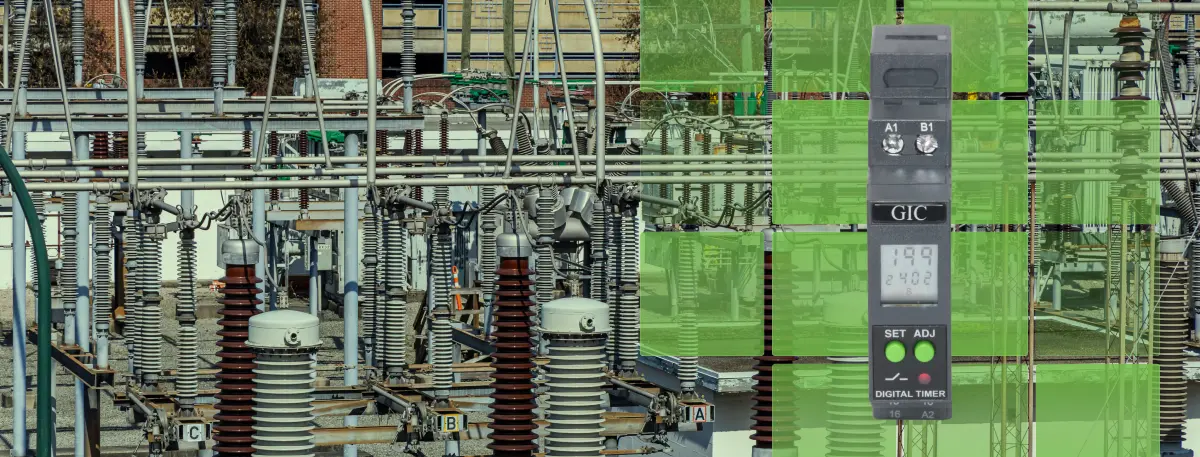
As technology has advanced, digital timers have taken the place of older mechanical systems by using microcontrollers and programmable circuits. Unlike traditional timers, they provide accurate time measurement, flexible operation modes, and easy connectivity with industrial systems. This makes them essential not only in production lines and equipment monitoring but also in everyday applications like household electronics, appliances, and automation systems.
Digital timers have become an integral part of modern life, helping industries improve efficiency while also making routine tasks simpler for individuals. From controlling machinery to managing lighting systems, their versatility is unmatched.
In this guide, you’ll explore how digital timers work, the different types available, their wide range of applications, and practical tips for selecting the best timer for your specific needs.
TLDR
- A digital timer is a programmable electronic device that uses a microcontroller to measure time intervals and control machinery with high accuracy.
- It supports functions like on-delay, cyclic timing, and scheduling, making it essential for automation, production lines, and energy management.
- GIC Digital Timers offer wide timing ranges, multi-function modes, compact design, reliable relay outputs, and durable certified performance.
What is a Digital Timer?
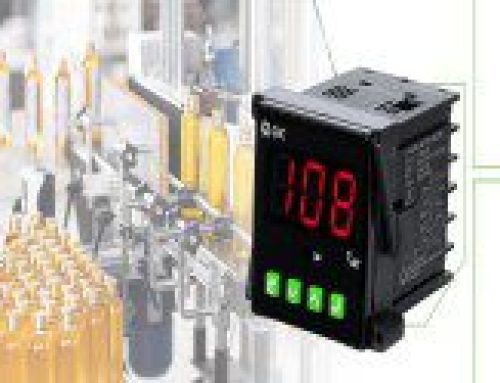
An digital timer is an electronic timekeeping device that uses a microcontroller for precise timing. It displays intervals on an LED screen and is fully programmable for countdowns, repetitive cycles, or scheduled operations.
These timers control connected machinery via relay outputs, making them essential for production lines, assembly systems, and process automation. With high accuracy, compact design, and robust reliability, industrial digital timers optimize efficiency, operational precision, and task management across manufacturing environments.
How Does a Digital Timer Work?
A digital timer measures and displays time intervals using industrial-grade electronic components. The main parts include a microcontroller, an LED display, and control buttons designed for precise and reliable operation in manufacturing environments.
- Electronic Circuitry: The timer uses the microcontroller to keep time accurately.
- Display: The time appears on an LED screen, showing countdowns, count-ups, or set schedules clearly.
- Programmable Controls: You can set time intervals, On Delay, Cycles, or schedules using buttons, touch panels, or dials.
- Output Mechanism: When the timer reaches the set time, it can turn on relays, switches, or connected machines.
- Modes of Operation: Timers can work in single-shot, repetitive, or multi-phase modes, giving flexibility for different tasks.
What are the Types of of Digital Timers?
Digital electric timer are critical devices in industrial applications, offering precise control over machinery, processes, and operations.
- On delay timer: A delay-on timer works by starting its count when activated and energizing the output only after the preset delay. It is used for motor startups, conveyor sequences, and industrial machinery operations.
- Cyclic On First (Signal Based): When both supply voltage and the start signal are applied, the output relay first switches ON for the preset time duration, then switches OFF for the next preset time.
The Role of Digital Timers in Industrial Processes
Digital programmable timers play a vital role in modern industrial systems by automating processes, improving efficiency, and ensuring precise control. Here are few of their benefits:
- Precision Control – Digital electric timer regulate exact time intervals for industrial machines, heating elements, and conveyor belts, ensuring every process runs consistently and with minimal deviation.
- Automation Efficiency – By controlling repetitive operations automatically, digital programmable timers reduce human intervention, accelerate production cycles, and optimize overall workflow in assembly lines.
- Real-Time Monitoring – Operators can view countdowns, elapsed time, and scheduled intervals on integrated displays, allowing them to adjust processes immediately and maintain production quality.
- Energy Management – Timers switch machines on and off at programmed intervals, lowering electricity consumption, reducing wear on equipment, and cutting operational costs without sacrificing performance.
- Safety Assurance – Industrial timers prevent machinery from running longer than necessary, reducing overheating risks, protecting operators, and maintaining compliance with safety regulations.
- Seamless System Integration – Timers connect easily with automation devices, enabling synchronized operations, centralized monitoring, and smart industrial control.
Digital Timer Uses in Industry
The applications of digital timer module include the following.
- Pump and Motor Scheduling – Programmable digital controllers manage pumps and motors in conveyor systems, transportation systems, and automation systems. Its multi-function modes and wide timing range ensure reliable automated scheduling, reducing manual monitoring.
- Boiler and Furnace Control – Digital timer relay schedule boilers and furnaces to operate only during production hours, optimizing energy use and thermal efficiency.
- Oven and Incubator Operations – Time-based controllers automate industrial ovens and incubators, ensuring precise cycles for manufacturing or laboratory processes.
- Hydroponic and Environmental Systems – Controllers regulate pumps, fans, and lights in transportation system environments or controlled industrial areas, maintaining optimal conditions.
- Generator Maintenance Scheduling – Timers handle scheduled cycles for backup generators across industrial and automation systems, keeping engines lubricated and batteries charged.
Why Choose GIC Digital Timers?
GIC Digital timers deliver precision, flexibility, and efficiency for modern industrial automation. Designed with compact housings, wide timing ranges, and multi-functionality, these timers simplify operations, reduce downtime, and optimize control systems.
- Advanced Multi-Functionality & Wide Timing Range: Handles multiple signal and non-signal operations, from 0.01 seconds to 999 hours, ensuring seamless control across diverse industrial applications.
- Compact & Space-Saving Design: Short depth of 65mm and DIN-panel compatible housings optimize panel layouts and reduce equipment footprint.
- High Accuracy & Reliable Relay Outputs: 2 C/O relays, 5A each, provide precise and dependable operation for multiple simultaneous processes.
- Clear Display & Easy Monitoring:- GIC Digital Timer comes with LEC Display at front, which helps customer to visualize the set timing range and help them to analyze real time. and plz paraphrase the sentence
- Certified & Robust: As per IEC 61812-1, compliant with IP65-rated front panel protection, it delivers durability and reliable performance in demanding industrial environments.
Conclusion
Digital timers are essential tools for precision, automation, and efficiency across industries. They ensure accurate scheduling, reduce human error, and optimize workflows across a wide range of industrial machinery and automation applications. The GIC Digital Timer Eliro delivers precision, versatility, and efficiency across industries. With multi-function modes, wide timing ranges, and seamless integration with conveyor systems, transportation systems, furnaces, and boilers, it ensures accurate scheduling, reduces human error, and optimizes workflows across industrial machinery and automation applications.