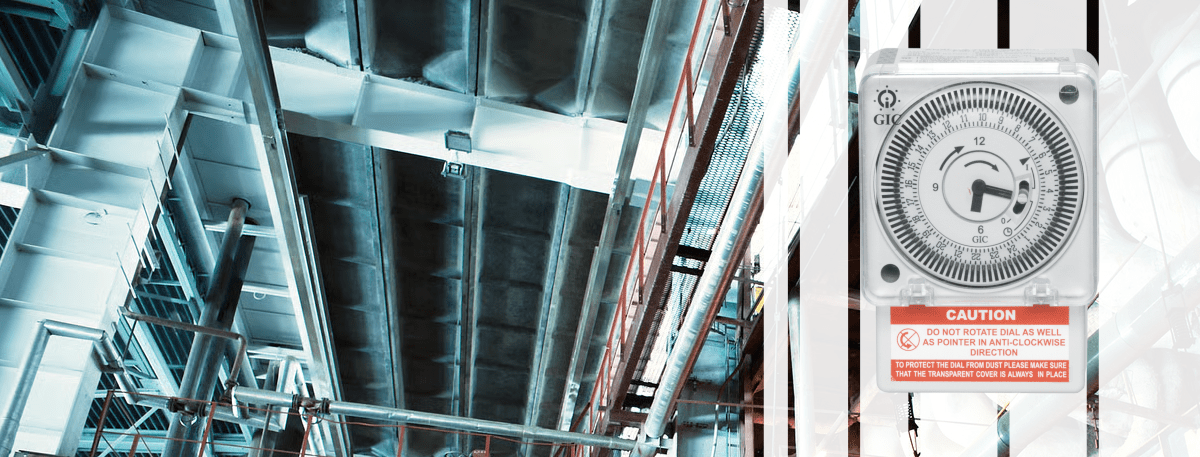
Not all IP ratings are the same in terms of protection and application suitability. Different ratings are designed to handle different environmental conditions, and choosing the wrong one can affect the performance and durability of a temperature controller.
IP65 and IP20 are two commonly used ratings, but they serve very different purposes. One is built for harsh environments with dust and water exposure, while the other is suited for clean and controlled indoor conditions.
In this blog, you will get to know the difference between IP65 and IP20, what each rating means, and how to choose the right one for your application.
TL;DR
What is IP65?
IP65 is an Ingress Protection rating that indicates a device is completely dust tight and protected against low pressure water jets from any direction.
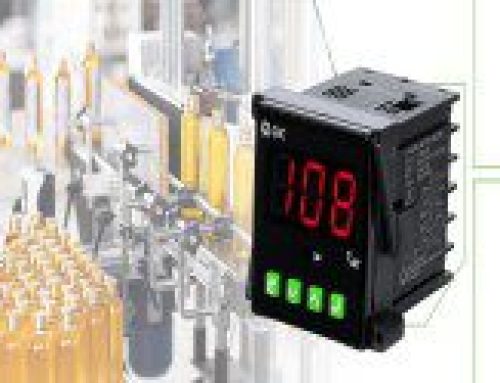
A temperature controller with IP65 protection is suitable for industrial environments where:
- dust exposure is high
- water splashes or cleaning is frequent
- outdoor conditions exist
- humidity levels are elevated
It ensures stable operation even in demanding environments.
What is IP20?
IP20 is an Ingress Protection rating that provides limited protection against solid objects larger than 12 mm, such as accidental finger contact.
It offers:
- basic safety protection only
- no dust protection
- no water protection
IP20 devices are intended for clean, dry, and controlled indoor environments.
What is the difference between IP65 and IP20?
IP65 is designed for industrial grade protection, while IP20 is designed for basic indoor use.
IP65 completely seals the enclosure against dust and protects against water jets, making it suitable for harsh environments. It ensures long term reliability in conditions where exposure cannot be avoided.
IP20 only prevents accidental contact with internal parts. It does not protect against dust or moisture, which limits its use to controlled environments like panels and indoor installations.
In simple terms, IP65 is built for tough conditions, while IP20 is built for safe and clean spaces.
Applications of IP65 temperature controllers
IP65 temperature controllers are used where environmental exposure is unavoidable and reliability is critical.
They are commonly used in:
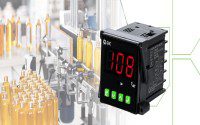
- industrial manufacturing units with dust and debris
- food and beverage processing with washdowns
- chemical plants with moisture exposure
- outdoor electrical and automation systems
- plastic molding and packaging machines
- HVAC systems in humid environments
Applications of IP20 temperature controllers
IP20 temperature controllers are used in controlled indoor environments where external exposure is minimal.
They are commonly used in:
- electrical control panels
- indoor automation systems
- laboratory equipment
- office and commercial installations
- equipment rooms with stable conditions
They are suitable where only basic protection is needed.
Which one should you choose?
IP65 should be chosen when the environment includes dust, water, or outdoor exposure. It ensures durability and stable performance under stress conditions.
IP20 should be chosen when the installation is indoors, clean, and protected from environmental factors. It is cost effective and suitable for basic control systems.
The right choice depends on how harsh the operating environment is and how critical the process stability needs to be.