
Introduction
Incineration is a high-temperature thermal waste treatment method commonly used for hazardous, biomedical, animal, and sanitary waste. The process involves burning waste at temperatures ranging from 800°C to 1200°C, converting it into ash, flue gas, and heat. Maintaining a precise and consistent temperature in the primary and secondary combustion chambers is essential to ensure complete combustion, eliminate pathogens, prevent incomplete burning, and reduce the release of toxic gases like dioxins and furans.
This case study focuses on the implementation of a temperature controller in an industrial incinerator system used for disposing of biomedical and sanitary waste at a midsized healthcare facility.
Challenges
The incinerator system previously suffered from multiple operational inefficiencies due to poor or manual thermal control:
- Incomplete combustion during peak load conditions, resulting in unburnt residues
- Excessive fuel consumption due to temperature overshoot and uncontrolled burner cycles
- Emission spikes caused by low-temperature operation in the secondary chamber
- Operator fatigue due to constant manual monitoring and adjustments
- Non-compliance with environmental regulations on flue gas temperature and retention time
Inconsistent and unregulated chamber temperature jeopardized not only incineration efficiency but also environmental safety.
Solution
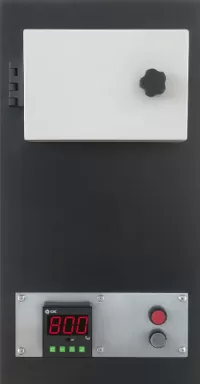
To resolve the thermal control issues, GIC digital PID temperature controller was deployed with the following configuration:
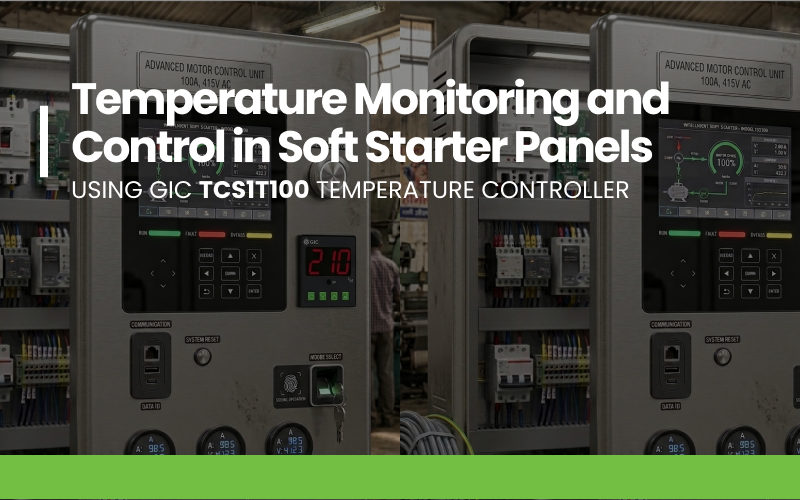
- Controller Used: 48×48 mm TCS1T100 industrial PID temperature controller
- Sensor Setup: High-temperature thermocouples (Type J or Type K) installed at key chamber points for continuous feedback
- Set Points: 850°C – 950°C
- Function: On/Off
Benefit to Customer
- Improved Combustion Efficiency: Chambers consistently reached and maintained required temperatures, ensuring complete waste breakdown
- Operational Safety: Alarm system alerted operators to abnormal temperature conditions, preventing potential chamber damage
- Automation & Reduced Labor Load: Removed the need for manual burner toggling and continuous supervision
- Prolonged Equipment Life: Stable thermal cycling reduced stress on refractory linings and metal components
Conclusion
In incinerator operations—especially for sensitive applications such as biomedical and sanitary waste treatment—maintaining precise and consistent chamber temperatures is non-negotiable. By integrating a PID-based temperature controller, the facility was able to optimize combustion quality, enhance regulatory compliance, and streamline operational control.