The most widely used RTD sensors in industrial temperature measurement are platinum based PT100 and PT1000 sensors. Both are known for high accuracy, stability, and predictable resistance behavior, making them ideal for temperature controllers where precision matters.
The key difference lies in their base resistance. A PT100 measures 100 ohms at 0°C, while a PT1000 measures 1000 ohms at 0°C. As temperature increases, resistance rises in both sensors in a stable and repeatable way. This difference directly impacts signal strength, noise performance, and suitability for different installation conditions.
In this blog, you will understand how PT100 and PT1000 sensors work, how they differ in industrial applications, and when to use each type.
TL;DR
- PT100 is the industrial standard and works best in most temperature control systems with good compatibility
- PT1000 offers better noise resistance and performs better in long cable or electrically noisy environments
- Selection depends on installation conditions, not accuracy superiority, both are highly accurate RTD sensors
What is the difference between PT100 and PT1000?
PT100 and PT1000 sensors both measure temperature by changing resistance in response to heat. The main difference is the level of base resistance, which changes how the signal behaves in real world conditions.
A PT100 has lower resistance, which makes it more sensitive to lead wire resistance errors in long cable installations. A PT1000 has higher resistance, which improves noise resistance and reduces the impact of cable length on measurement accuracy.
Both sensors deliver reliable temperature measurement, but PT100 is more commonly used as the industrial standard, while PT1000 is preferred in environments where signal stability and noise immunity are more important.
Read more: Types of Temperature Sensors
How to choose between PT100 and PT1000?
To choose between PT100 and PT1000, you need to consider sensitivity, wiring conditions, and application requirements. Both offer accurate temperature measurement, but each has its own advantages.
PT100 Benefits
PT100 sensors are widely used as the industrial standard, making them highly compatible with most temperature controllers. They offer reliable accuracy and stable performance across a wide temperature range. PT100 sensors are also more cost-effective and easier to replace, which makes them suitable for general industrial applications.
PT1000 Benefits
PT1000 sensors provide higher resistance, which results in better sensitivity and stronger signal output. This reduces the impact of electrical noise and lead wire resistance, especially in long-distance installations.
Read more: Difference Between 2 Wire, 3 Wire, and 4 Wire RTDs
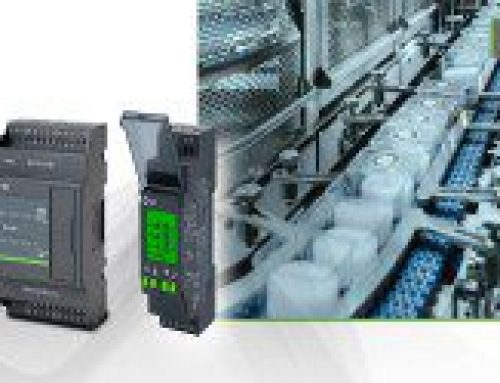
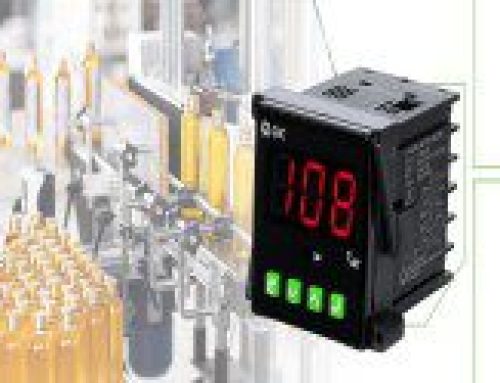
What RTD function Does a GIC temperature controller support?
GIC temperature controllers support RTD input signals, especially PT100 sensors, to enable precise temperature measurement and control in industrial systems. The controller reads the resistance change from the RTD and converts it into an accurate temperature value for process regulation.
This RTD input capability allows stable feedback control, where the measured temperature is continuously compared with the setpoint. Based on this comparison, the controller adjusts its output to maintain consistent and reliable temperature performance.
Conclusion
PT100 and PT1000 both deliver reliable and accurate temperature measurement, but they are built for different electrical conditions rather than different quality levels. PT100 remains the industrial standard due to its wide compatibility and proven performance in general process control systems. PT1000, on the other hand, performs better in environments where long cable runs, electrical noise, or signal degradation can affect measurement stability.
The right choice depends on the installation environment and how clean or stable the signal path is, not on which sensor is technically superior. Matching the sensor to the system design ensures better accuracy, fewer errors, and more stable temperature control in real industrial conditions.