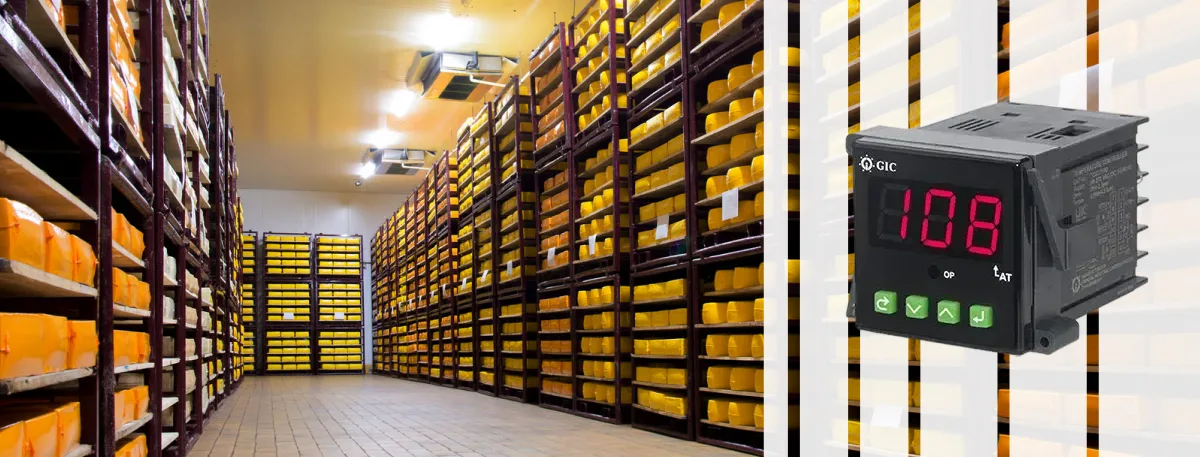
An IP rating, or Ingress Protection rating, defines the level of protection an electrical device enclosure provides against dust and water.
In electrical and automation systems, protection against external elements plays a critical role in ensuring safety, performance, and durability. Devices such as temperature controllers, PLCs, sensors, and control panels are often exposed to dust, moisture, and harsh industrial conditions, making the right IP rating essential for reliable operation.
Different environments expose equipment to varying levels of contamination and water exposure, which is why selecting the correct IP rating is important for long term system performance and protection.
In this blog, you will learn what an IP rating means, how it is structured, and how to choose the right rating for electrical and industrial automation applications.
TL;DR
What is IP Rating?
IP rating, or Ingress Protection rating, defines the level of protection an electrical enclosure provides against the entry of solid particles and liquids. It is a standardized system used to indicate how well a device is sealed against external elements such as dust, moisture, and accidental contact.
It is written as:
IPXY
Where:
- X = protection against solids like dust and tools
- Y = protection against liquids like water
For example:
- IP65 means dust tight and protected against water jets
- IP67 means dust tight and protected against temporary immersion
IP Rating Numbers and Their Meaning
First Digit: Protection Against Solid Particles
| First Digit | Level of Protection |
|---|---|
| 0 | No protection |
| 1 | Protection against objects larger than 50 mm |
| 2 | Protection against objects larger than 12 mm |
| 3 | Protection against objects larger than 2.5 mm |
| 4 | Protection against objects larger than 1 mm |
| 5 | Limited protection against dust, no harmful deposits |
| 6 | Complete protection against dust |
Second Digit: Protection Against Liquids
| Second Digit | Level of Protection |
|---|---|
| 0 | No protection |
| 1 | Protection against vertical water droplets |
| 2 | Protection against dripping water up to 15 degree tilt |
| 3 | Protection against spraying water up to 60 degrees |
| 4 | Protection against splashing water |
| 5 | Protection against low pressure water jets |
| 6 | Protection against powerful water jets |
| 7 | Protection against temporary immersion |
| 8 | Protection against continuous immersion |
| 9k | Protection against high pressure and high temperature water jets |