Temperature controllers play a vital role in industrial automation, laboratory equipment, and manufacturing processes by maintaining precise temperature levels for chemical reactions, material processing, and quality-critical operations.
When a temperature controller malfunctions—causing inaccurate readings, output failures, sensor drift, or PID instability—it can lead to defective products, process downtime, and increased operational costs. Identifying these issues requires analyzing sensors, relays, solid-state outputs, wiring, and configuration parameters.
In this blog, we cover the most common temperature controller problems, provide practical troubleshooting steps, explain error codes, and share preventive maintenance strategies to ensure consistent, reliable, and accurate temperature control across industrial and laboratory applications.
TL;DR
- Temperature controller faults like wrong readings, output failure, PID instability, and sensor issues can cause product defects, downtime, and higher operating costs in industrial and lab processes.
- Most common problems come from sensors, wiring, relays, outputs, and PID settings — systematic checks, recalibration, and correct configuration solve the majority of failures.
- Regular preventive maintenance, proper sensor placement, parameter tuning, and rated load usage help ensure stable and accurate temperature control.
Seven Common PID Temperature Controller Problems and Solutions
1. Controller Fails to Power On
A temperature controller may not turn on if the power supply is unstable or insufficient, preventing the internal circuits from starting. Loose or corroded wiring connections can interrupt the current, and damaged internal components, such as fuses or circuit boards, can make the controller inoperative.
Troubleshooting Tips:
- Verify that the incoming voltage matches the controller’s specifications.
- Inspect all wiring connections and repair or replace any loose or damaged terminals.
- Replace faulty internal components following manufacturer guidelines or consider upgrading the controller.
Read more: What is a PID Controller?
2. Inaccurate Temperature Readings
Temperature readings can be unreliable if sensors degrade over time, are placed incorrectly, or have calibration drift. Signals may also be affected by nearby electromagnetic interference, resulting in misleading measurements.
Troubleshooting Tips:
- Recalibrate sensors regularly according to the manufacturer’s recommendations.
- Position sensors to ensure good thermal contact and avoid proximity to heat sources or vibration-prone areas.
- Replace worn or low-quality sensors with high-accuracy components.
- Use shielded cables and proper grounding to reduce interference.
3. Overshooting or Undershooting Against Setpoints
Controllers may overshoot or undershoot against setpoints when PID settings do not match system dynamics. Inadequate heating/cooling capacity can worsen deviations, and rapid ambient changes can also affect stability.
Troubleshooting Tips:
- Adjust PID parameters to match the process response time.
- Ensure sensors provide timely and accurate feedback.
- Upgrade heating or cooling elements if the system cannot maintain consistent temperatures.
4. Temperature Fluctuations During Operation
Improper PID controller settings, aging heating or cooling elements, or incorrect hysteresis can cause temperature readings to become unstable, even in otherwise stable environments.
Troubleshooting Tips:
- Inspect and replace worn-out heating or cooling elements.
- Optimize controller settings to reduce cycling and maintain steady temperatures.
Read more: How to Choose the Right Temperature Controller?
5. Faulty or Inactive Output
The controller’s output may fail when fuses blow, relays wear out, or solid-state switches malfunction. Connecting loads that exceed rated capacity can also prevent proper activation, while electrical interference or short circuits can disrupt output operation.
Troubleshooting Tips:
- Inspect fuses and relays
- Confirm that all connected loads are within the controller’s rated limits.
6. Error Codes Displayed on Controller
Error codes appear when sensors detect abnormal conditions, or parameters are incorrectly configured. Software or firmware glitches may trigger false errors, and persistent messages may indicate component wear or systemic issues.
Troubleshooting Tips:
- Check all sensors and wiring for damage or loose connections.
- Reset parameters to factory defaults after backing up settings.
7. Controller Not Responding to Commands
Controllers may stop responding due to communication failures, faulty internal units, or software glitches. Network interruptions, loose connections, can prevent commands from being executed properly.
Troubleshooting Tips:
- Inspect all communication cables and ensure stable network connections.
- Replace faulty control units with compatible models.
- Perform a software reset or update to restore normal functionality.
How GIC India Temperature Controllers Reduce these Common Issues?
GIC India manufactures temperature controllers engineered to tackle common operational problems while delivering precise and reliable performance across industrial and laboratory applications.
Key Features of GIC PID Temperature Controllers
- High Precision Control: Maintains accurate temperatures even in sensitive or critical industrial processes, ensuring consistent output quality.
- Quick and Flexible Setup: Multiple device programming is supported through memory card functionality for rapid deployment.
- Universal Input and Output Compatibility: Works with RTDs, thermocouples, and analog signals, offering relay, SSR, and analog output options to suit diverse applications.
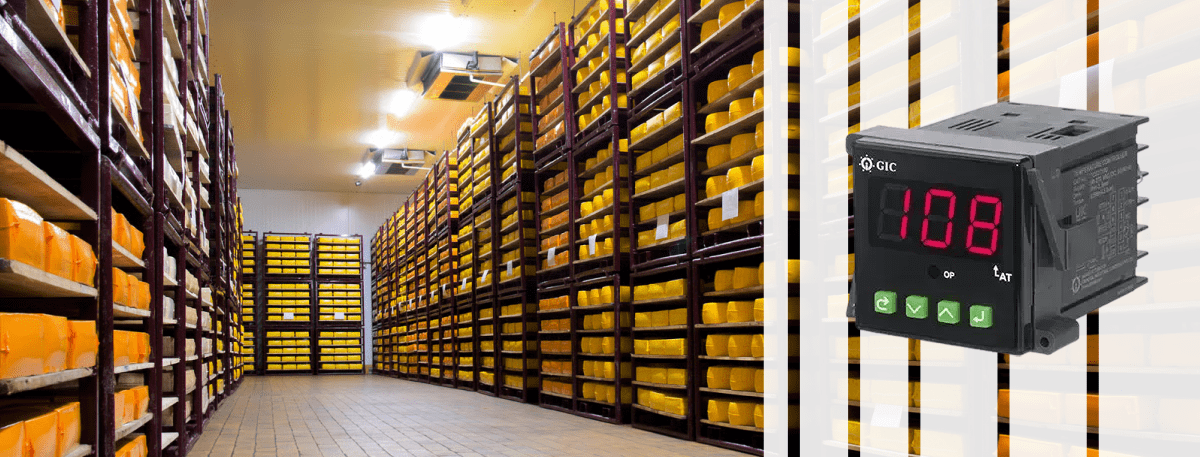
- Dual LED Display: Simultaneously shows setpoint and actual temperature values for easy monitoring and real-time process verification.
- Advanced Alarm System: Integrated alarms alert for sensor failures, loop interruptions, deviation, and band limits to safeguard processes and equipment.
- Ramp & Soak Programmability: Supports up to 8 programmable steps, allowing precise control of heating and cooling cycles for delicate operations.
- Multiple Panel Sizes: Available in 48×48 TC, 72×72 TC, and 96×96 TC models, providing versatile integration into various industrial setups.
 info@gicindia.com