In most industrial automation setups, a PLC works alongside an Human Machine interface or SCADA system. The PLC directly controls the machinery by processing inputs and outputs, while HMI or SCADA provides a visual overview of the process and real-time parameters. Together, they help operators manage plants efficiently.
But can a PLC run without SCADA? The short answer is yes—PLCs can function independently. However, their role and efficiency depend on the complexity of the application. In this article, we explore how a PLC operates without an HMI or SCADA and what it means for industrial operations.
TL;DR
What Is the Function of a PLC?
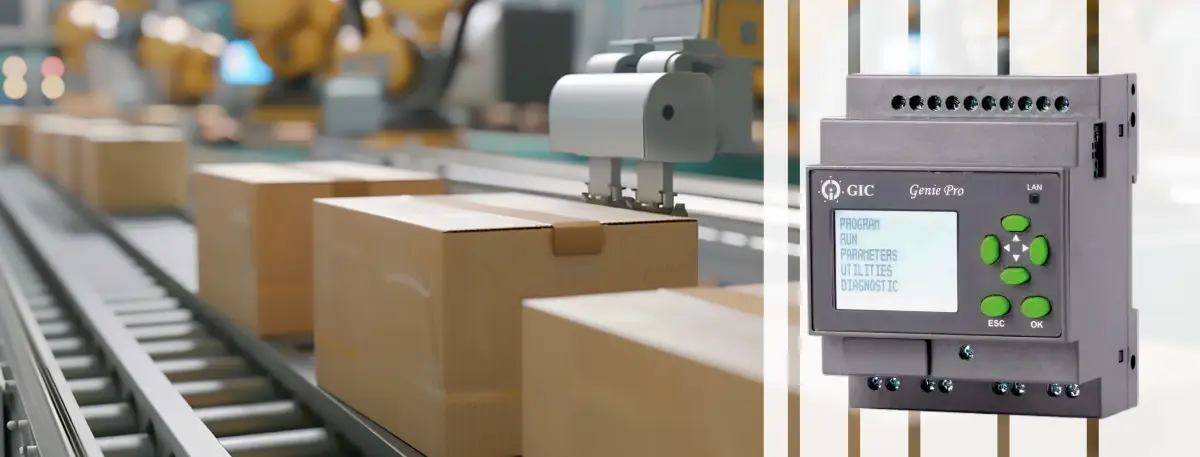
A Programmable Logic Controller (PLC) controls machines, equipment, and processes by processing input signals and executing logic programs. It monitors sensors, switches, and field devices, then sends commands to actuators, motors, and valves. PLCs operate continuously, ensuring automation runs efficiently and safely. For example, a packaging line uses a PLC to start motors, control conveyor speed, and synchronize robotic arms without human intervention.
What Is the Function of SCADA?
SCADA (Supervisory Control and Data Acquisition) supervises and visualizes processes managed by PLCs. It collects real-time data from multiple PLCs, logs historical performance, triggers alarms, and allows remote control. SCADA provides operators with dashboards to monitor plant performance and make informed decisions. For instance, a water treatment plant uses SCADA to track tank levels, pump status, and flow rates across the facility.
Can PLC work without SCADA?
Yes, a PLC can function without SCADA or an HMI. However, its effectiveness depends on the system’s size, complexity, and monitoring needs.
A PLC executes logic by processing inputs and controlling outputs. In small systems with limited input/output points, indicators such as lamps or panel displays can replace graphical interfaces. For applications where parameters are set once during commissioning and remain constant, engineers can program the PLC directly, eliminating the need for an HMI or SCADA.
Some PLCs include built-in small displays that allow parameter configuration and status monitoring. These features provide sufficient visualization for small-scale systems, reducing costs while maintaining functionality. Modern PLCs also offer embedded web interfaces accessible through a local Ethernet port or communication protocols like Modbus and Ethernet/IP. This allows engineers to monitor or adjust parameters using an external computer when necessary.
Limitations Without SCADA:
- Complex process visualization, trending, and alarm reporting are difficult without SCADA.
- Real-time data logging to databases requires advanced programming and may fail if networks lag.
- Troubleshooting and maintenance become more labor-intensive, increasing operational costs and potential downtime.
Practical Recommendation:
Running a PLC without SCADA works best for small or simple applications. For large-scale or complex systems, integrating SCADA improves monitoring, control, and overall efficiency.
When Can a PLC Work Alone?
A PLC can work alone in small or simple systems. These are systems with few input and output points, where settings rarely change after setup. Engineers can program the PLC once, and the system can run without an HMI or SCADA.
Some PLCs have small built-in screens or panel indicators that show basic status. Others let you check or adjust settings using a computer through the PLC’s network. This is enough for small machines or standalone operations, like conveyors, pumps, or packaging equipment.
However, without SCADA or HMI, you cannot easily see complex process data or generate reports. Troubleshooting may take longer, and monitoring requires more manual work.
Read more: How do HMI and PLC interface each other?
Conclusion
A PLC can operate independently without an HMI or SCADA, especially in small or simple systems where parameters rarely change and limited monitoring is needed. Built-in displays, indicators, or embedded web interfaces allow engineers to manage processes effectively without external graphics.
However, SCADA enhances control, visualization, data logging, and troubleshooting, making it essential for complex or large-scale applications. Choosing between a standalone PLC and a SCADA-integrated system depends on the application’s complexity, monitoring requirements, and operational goals.



 info@gicindia.com