
Introduction
A food plant wanted to automate the making of khakhra with a conveyor mounted hydraulic press and warming system. For consistency, texture, and crispness, accurate temperature control was essential.
Process flow
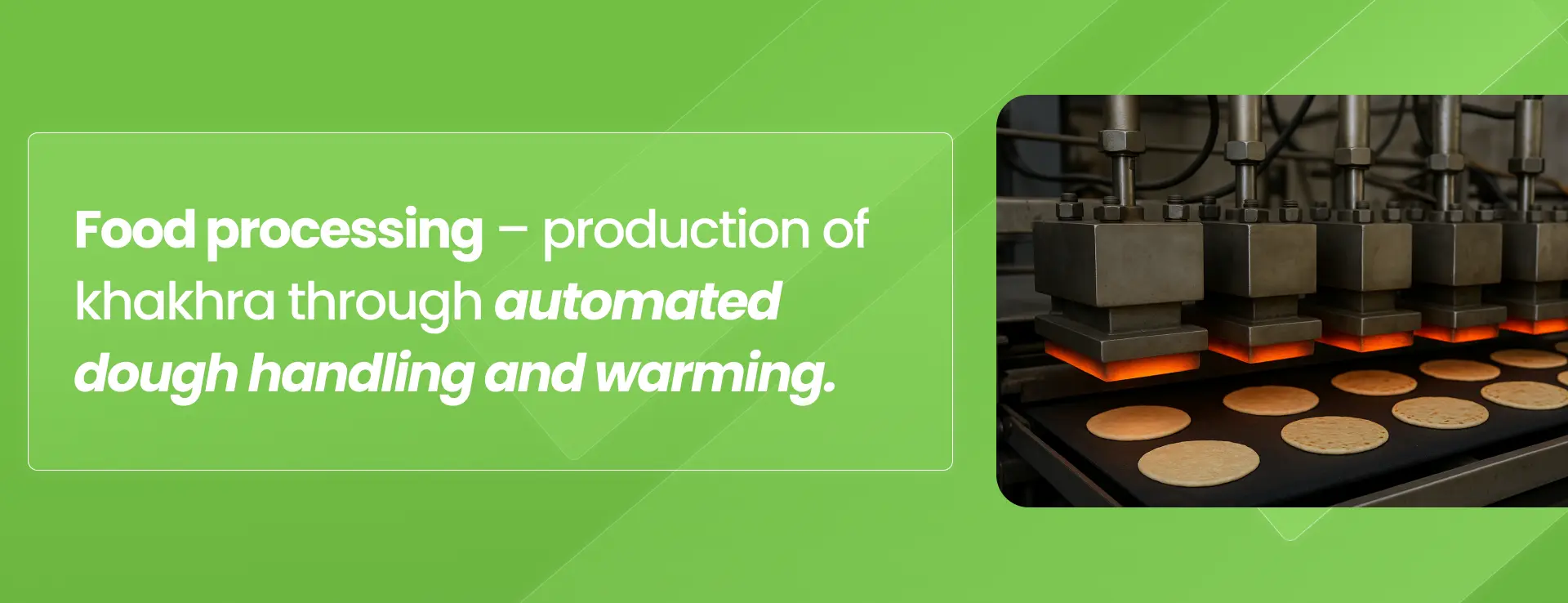
The process starts with kneaded dough balls on a conveyor. They are drawn out beneath a round hydraulic press to create ideal khakhra disks. Hydraulic cutting is used to trim the edges, cutting off excess dough.
Then, khakras undergo an initial heat stage of stabilization—GIC temperature controller has a key role here. Following stabilization, khakras are placed on trays and passed through a dual-sided heater-press to complete the crisp texture under tightly controlled heat.

Challenges
- Temperature consistency: Non-uniform heating during stabilization or finishing processes may end up with khakras being undercooked in places or over-darkened.
- Process reliability: Temperature fluctuations cause unpredictable product quality, which translates to variations in crispness, moisture levels, and shelf life.
- Efficiency and power consumption: Lack of control resulted in excessive power consumption and increased rates of waste.
Solution: GIC Temperature Controller Integration
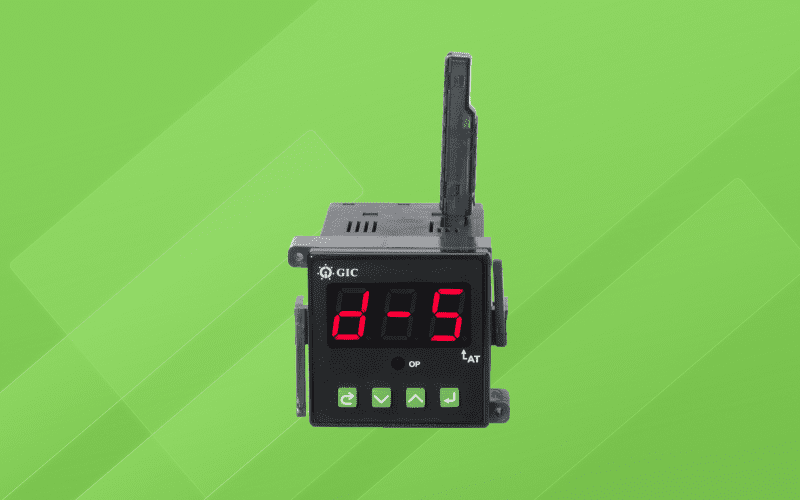
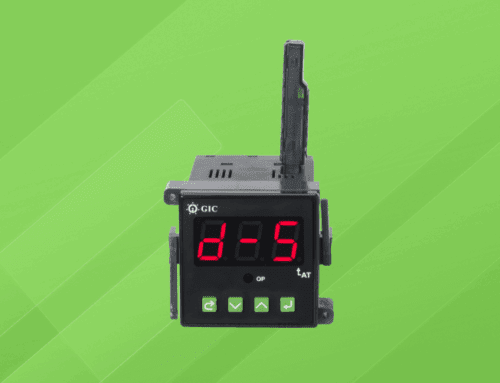
A GIC India digital PID temperature controller was installed during the stabilization and final pressing operations. Reputed for high precision, long lifespan, and food industry applicability.
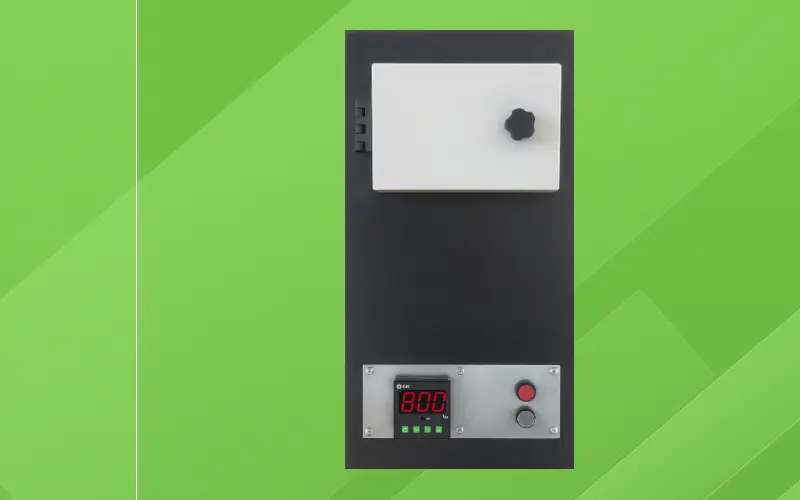
- In the first heater-press, the GIC controller ensured an accurate setpoint temperature to stabilize each of the khakhra discs evenly.
- For the final bilateral heater-press, it controlled both top and bottom platen temperatures to provide uniform cooking and crisping.
The ease of use of the controller’s interface enabled operators to set up setpoints and track temperatures in real time, decreasing operator error.
Outcomes
- Uniform product quality: All khakhras featured uniform baking, crispy edges, and optimal moisture levels.
- Less waste: Defect rate decreased, enhancing yield.
- Energy savings: Heated treatment resulted in reduced energy use and optimized cycle time.
- Operational reliability: Least amount of downtime due to the controller’s tough design compatible with industrial food environments.
Conclusion
Installing the GIC temperature controller into the workflow of the khakhra machine provided exact temperature control over both heat stages. It increased consistency, minimized waste, saved energy consumption, and raised product quality—hence, it was perfect for food processing lines requiring stable thermal management

 info@gicindia.com