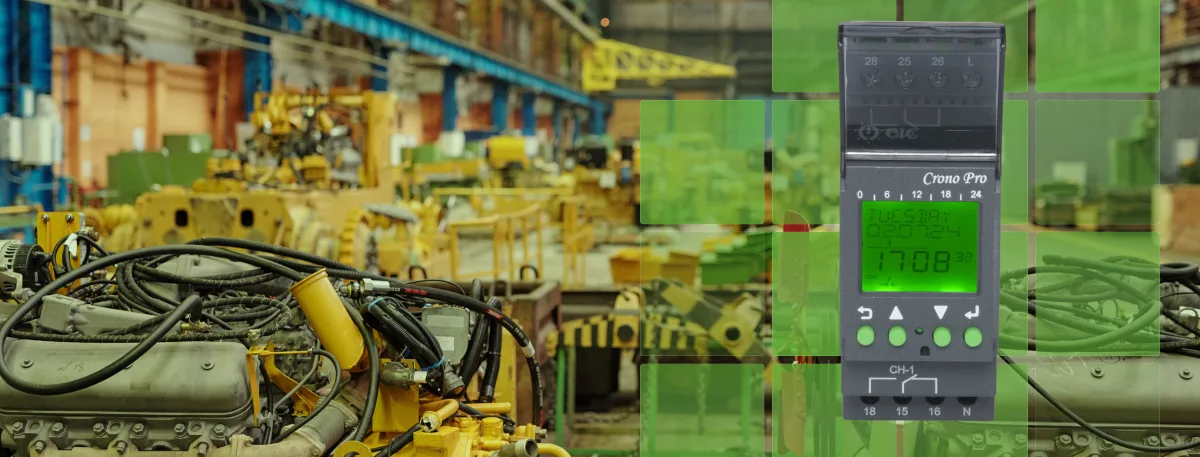
What is a Time Switch? Types and Applications Explained
Energy conservation is a top priority in modern industries where rising electricity costs and sustainability goals demand smarter control of equipment. Many facilities still struggle with machines running idle, lighting systems left on after shifts, or pumps and conveyor belts consuming power unnecessarily. These problems lead to wasted energy, higher bills, and unnecessary wear on equipment.
The key to solving these inefficiencies is automation through time controlled switching. Time switches are electronic devices designed to regulate the on and off cycles of electrical equipment. They can be integrated into existing power circuits and work alongside contactors or relays to maintain precise control over machinery operation.
In this blog, you will learn what time switches are, how they work, and the different types of timer switches available for industrial applications.
TLDR
-
A time switch is an electrical control device that uses a mechanical or electronic timer to automatically turn circuits, lights, or equipment on and off at scheduled times.
-
Main types are mechanical time switches (simple dial-based), digital time switches (programmable with multiple cycles), and astronomical time switches (adjusted by sunrise and sunset).
-
They are widely used in lighting automation, water systems, industrial machinery, signage, and security applications to save energy, improve convenience, and enhance safety.
What is a Time Switch?
A time switch is an electrical control device with a mechanical or electronic timer that automatically powers appliances, lights, or other electrical loads on or off according to a preset schedule. It manages electrical circuits based on programmed intervals, helping save energy, improve convenience, and enhance safety by ensuring devices operate only when needed.
Time switches may be built into equipment, installed in power circuits such as heating or water systems, or plugged into wall outlets with devices connected to them, ensuring precise operation and energy efficiency.
How does a Time Switch work?
A time switch is an electrical switch with a built-in timing mechanism. Its primary function is to automatically turn connected devices on or off at pre-set times. This connected device, often called the “load,” can be anything from industrial machinery to office lighting.
When voltage is applied to the switch’s power supply, the timing mechanism begins its cycle. If the power section is off, the time progression continues, and all preset schedules are retained, though the switch does not operate the load until the power resumes. Essentially, the time switch opens or closes electrical circuits according to your programmed schedule, allowing precise, automated control over devices.
Mechanism of Operation
Time switches can be analog or digital:
- Analog models use mechanical dials to set basic on/off cycles.
- Digital models employ microprocessors to manage complex schedules, including multiple devices and daily or weekly routines.
- When the preset time arrives, the switch activates or deactivates the connected load, ensuring equipment runs only when needed.
What are the Types of Time Switches?
The three main types of timer switches are: Mechanical, Digital, and Astronomical.
Read more: A Complete Comparison of Types of Time Switches with Use Cases
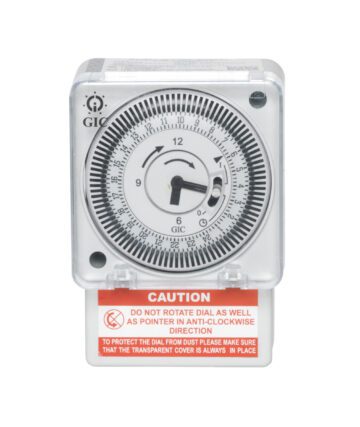
Mechanical Time Switches
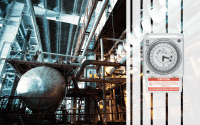
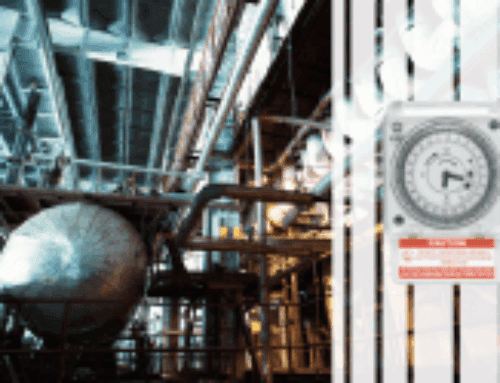
Mechanical time switches, also called electromechanical timers, control electrical circuits using a physical clockwork mechanism. They feature dials, pins, or cams that set precise on/off intervals. The internal gears activate electrical contacts at scheduled times, providing reliable and repeatable operation. Mechanical timers are durable, easy to maintain, and ideal for consistent industrial schedules where simple cyclic control is needed.
Read more: What Is an Analog Time Switch?
Digital Time Switches
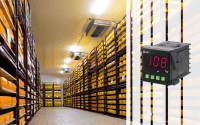
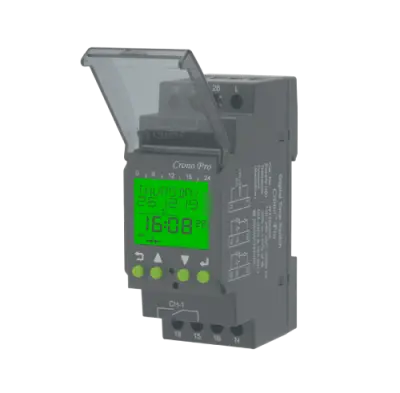
Digital time switches, also known as electronic timers or programmable time controllers, use microprocessors to manage complex timing sequences. They allow multiple on/off cycles per day or week and often include memory backup to preserve schedules during power outages. Digital timers offer high precision, flexibility, and easy adjustment, making them suitable for industrial automation, commercial equipment, and programmable process control.
Astronomical Time Switches
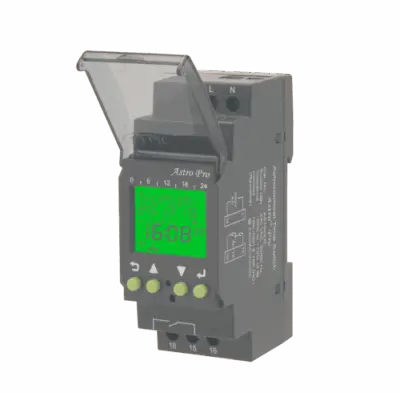
Astronomical time switches, sometimes called sun-tracking timers or astro timers, operate based on local sunrise and sunset calculations. They automatically adjust switching times according to geographic location and seasonal variations. These timers are highly efficient for outdoor and commercial lighting systems, ensuring devices operate only when needed, saving energy and minimizing manual adjustments
Benefits of Using Time Controllers
Time controllers offer more benefits, here are few of them:
- Energy Conservation: Programmable controllers prevent devices from running unnecessarily, cutting energy use and reducing electricity costs. Scheduled operation of lighting, heating, or equipment ensures efficiency and sustainability.
- Convenience: Automated schedules eliminate repetitive manual tasks, streamlining daily operations and allowing staff to focus on higher-priority work.
- Enhanced Security: By controlling lights and devices according to preset times, these controllers simulate occupancy, deterring unauthorized access and boosting security.q
- Safety: Predictable control of appliances and equipment minimizes the risk of accidents and electrical hazards, creating a safer environment.
Read more: Switch to Digital Time Switches & optimize outdoor lighting
Applications of Time Switches
Time controllers are widely used across many industries to improve efficiency, automation, and energy savings. Here are some key applications:
- Lighting Automation – Control and schedule lighting systems to optimize energy usage.
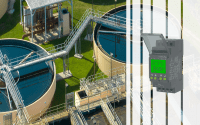
- Water Management – Automate irrigation systems, pumps, and other water-related processes.
- Digital Signage – Schedule and manage digital hoarding and display screens.
- Elevators – Regulate elevator operations and associated control equipment.
- Process Industry – Automate timing for industrial machinery and production lines.
- Escalators – Manage operational schedules in commercial and public spaces.
- Industrial Control Panels – Integrate with panels for automated equipment management.
- Scrolling Display Boards – Schedule on/off timings for electronic boards and signage.
How to Choose the Right Time Switch?
To choose the right time switch there are few key factors for safe and efficient operation.
- Load Rating (Amps/Watts): Ensure the timer can handle your device’s power demand. For inductive loads like motors, choose a timer rated above the peak load to avoid damage.
- Number of Programs: Determine how many on/off cycles you need. Mechanical timers offer simple daily cycles, while digital timers provide multiple programs for flexible scheduling.
- Battery Backup: For digital timers, a battery preserves schedules during power outages, allowing automatic resumption when power returns.
- Weather/IP Rating: For outdoor use, check the IP rating.
- Programmable Holidays/Exceptions: Allows you to skip or adjust schedules on specific days without reprogramming the entire week.
Why Choose GIC Time Switches?
GIC Time Switches ensure reliable operation, precise control, and maximum energy efficiency.
Precise, Location-Based Automation: Astronomical Time Switches use sunrise and sunset data for over 280 cities in 45 countries, automatically adjusting switching times to align with daylight and save energy.
Flexible Scheduling Options: Support for Astro, Daily, Weekly, Pulse, and Cyclic programs allows up to 50 ON/OFF operations and 10 holiday settings, handling even complex timing requirements with ease.
Dual Relay Outputs: Two programmable relays enable independent control of multiple systems or devices from a single switch.
Long Battery Life: A durable 6-year battery backup combined with manual override ensures uninterrupted performance, even during power outages.

 info@gicindia.com