
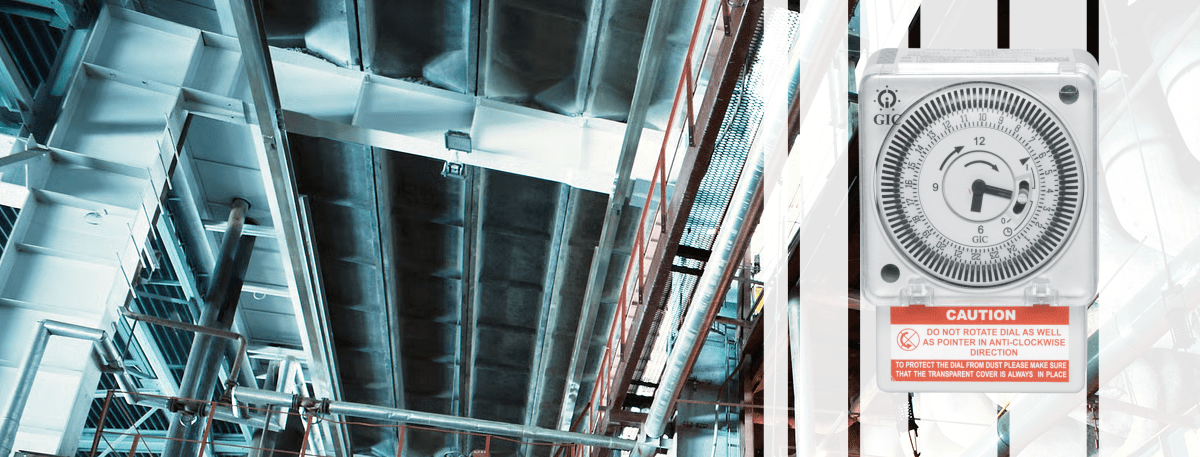
A analog time switch is a device that automatically controls industrial equipment at preset times. Factories and production units use these switches to operate motors, conveyor belts, pumps, and lighting systems without manual intervention. Mechanical time switches rely on gears and timers to maintain accuracy, ensuring reliability in high-demand industrial environments.
In this blog, you will learn about mechanical time switches, also known as analog time switches, their working mechanism, different types, and key industrial applications.
TL;DR
- An analog time switch controls electrical circuits based on preset schedules using a dial based timing mechanism.
- Common types include wall mounted, plug in, and multi circuit analog time switches for different industrial needs.
- It is used in lighting, pumps, motors, control panels, and automation systems where simple and reliable time based control is required.
What is an Analog Time Switch?
A mechanical time switch also called an analog time switch is a device designed to automatically manage industrial equipment using physical mechanisms such as gears, springs, and small motors. Like digital switches, mechanical time switches can turn devices on or off according to a schedule.
Types of Mechanical Time Switch
Analog time switches are available in different forms to suit industrial needs:
- Wall-Mounted Analog Time Switches: These switches attach directly to walls in factories or production facilities. They control motors, pumps, industrial lighting, and other machinery. Wall-mounted switches are ideal for permanent setups with consistent operating schedules.
- Plug-In Analog Time Switches: Plug-in switches connect to standard electrical outlets, providing flexibility for smaller machines or temporary industrial setups. They are easy to move between devices and install without rewiring.
- Multi-Circuit Analog Time Switches: Multi-circuit switches manage several devices or circuits at once, making them perfect for production lines that require synchronized automation. They reduce manual control and improve workflow efficiency.
Benefits of Analog Time Switches
- Analog Operation: Uses gears, springs, and motors instead of digital electronics, providing a simple and reliable mechanism.
- Manual Scheduling: Set on/off times easily with a dial or pins on a 24-hour cycle.
- Durability: Robust construction ensures long-lasting performance and fewer technical failures.
- Energy Efficiency: Runs devices only when needed, reducing power consumption.
- Cost-Effective: Affordable solution for automating devices without complex electronics or software.
How Does a Mechanical Time Switch Work?
A mechanical time switch controls electrical devices using internal moving parts such as gears, springs, and levers. These components act as a timer, determining when the switch powers on or off. Users can set the timing either manually or via preset intervals.
A mechanical time switch consists of two main components: the actuator and the drive mechanism.
- Actuator: This is the external knob that allows users to set the desired on/off schedule. It defines when the switch should activate or deactivate.
- Drive Mechanism: Inside the switch, a system of gears moves using a spring or small motor. As the spring unwinds or the motor runs, the gears rotate, moving the timing parts. This rotation controls the precise moments when the switch engages or disengages.
The internal components work in a clockwork manner, similar to analog watches, ensuring consistent timing without relying on digital programming.
Working:
Once the switch is set, the internal mechanism begins tracking elapsed time. At the programmed intervals—either preset or manually adjustable—the timing components trigger the switch to close or open the circuit.
This action turns connected devices on or off automatically, providing a simple method to control appliances, lighting, or other electrical systems.
How to Set a Mechanical Time Switch?
To set a mechanical time switch, follow these steps carefully:
- Identify the Device Type: Determine if it is a plug-in, in-wall, or part of a larger control system. This affects how you adjust it.
- Set the Current Time: Turn the dial to align with the current hour on the 24-hour scale. Make sure it matches AM or PM correctly.
- Schedule On/Off Intervals: Move the pins or levers on the dial to define when the connected device should start and stop operating.
- Connect and Test: Plug in or link your device and observe its operation to ensure it switches on and off at the chosen times.
Where Analog Time Switches Are Used?
Mechanical time switches find use in a variety of settings, automating operations, saving energy, and ensuring devices run at the right time. Here are few applications for it:
- Lighting Automation: Control indoor and outdoor lights at preset times to save energy.
- Water Systems: Automate pumps, water heaters, and irrigation schedules.
- Digital Hoardings & Display Boards: Schedule advertisements and messages automatically.
- Elevators: Manage lighting and auxiliary systems during off-peak hours.
- Industrial Control Panels: Run machines and processes at designated times to improve efficiency.
- Scrolling Display Boards: Ensure announcements or schedules appear on time in schools, offices, and transport hubs.
How to Troubleshoot and Fix a Analog Time Switch?
If a mechanical timer stops functioning, follow these steps to identify and resolve the issue:
- Examine Internal Components: Carefully open the casing and inspect the gears, springs, and levers. Look for broken or misaligned parts, worn-out springs, or any obstructions that might prevent movement.
- Remove Dirt and Debris: Use a soft brush, microfiber cloth, or compressed air to remove dust, dirt, or small particles. Ensure all gears, pins, and rotating elements move smoothly without resistance.
- Lubricate Moving Parts (Optional): For time switches with metal gears or levers, apply a small amount of light machine oil to reduce friction. Avoid over-lubrication, which can attract more dust or gum up the mechanism.
- Reassemble and Test: Carefully reassemble the components, ensuring all parts fit correctly. Connect the device to a low-power appliance and observe whether the timer activates the switch at the set intervals.
- Consider Replacement if Needed: If the time switch still fails, internal springs, gears, or the motor may be worn beyond repair. Replacing the timer ensures consistent performance and avoids further operational issues.
Tip: Regular maintenance, such as cleaning dust from gears and checking pin alignment, prolongs the lifespan of mechanical timers and maintains accurate scheduling.
Conclusion
Mechanical time switches, also called analog time switches, provide a simple, durable, and cost-effective solution for automating electrical devices. From industrial machines and lighting systems to water pumps and display boards, these switches ensure operations run on schedule while saving energy and reducing manual effort.
With proper setup, regular maintenance, and occasional troubleshooting, mechanical time switches offer reliable performance, making them an essential tool for homes, offices, and industrial environments.



 info@gicindia.com